Are Moroccan Rugs Good Quality ?
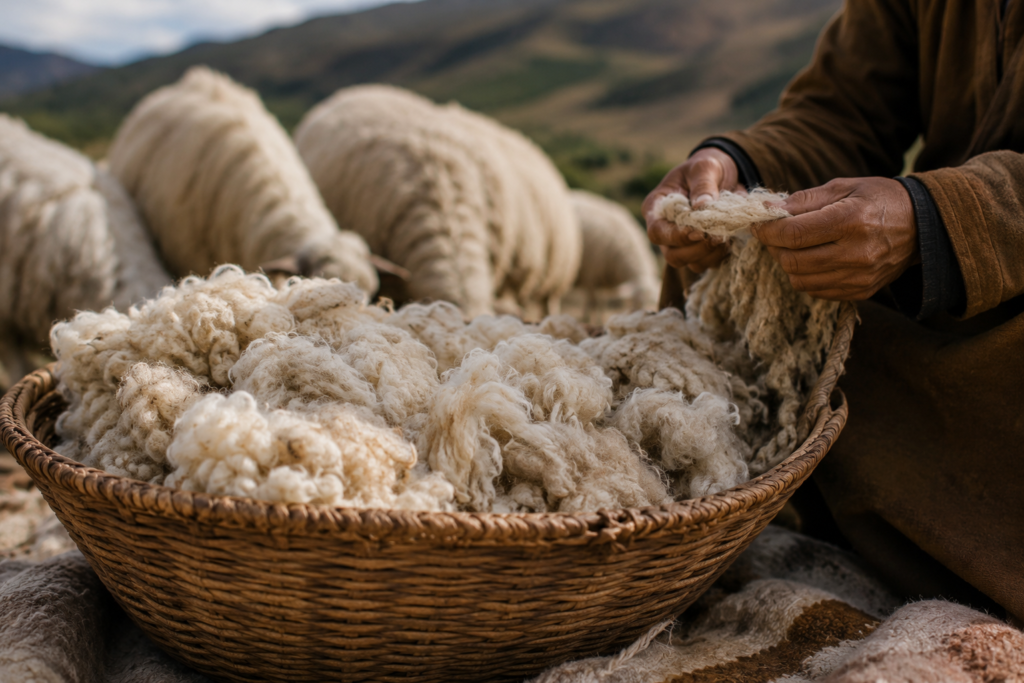
Every traditional Moroccan rug begins its journey as raw, high-quality wool sourced from local sheep. The choice of fiber serves as the foundation for the entire piece, dictating how it feels underfoot and how long it will last in a busy home.
Artisans prioritize materials that offer both comfort and strength. By selecting premium wool, they ensure that the Moroccan Rugs maintains thier shape and texture for generations.
The Role of Natural Wool in Quality Construction
Natural wool is prized for its inherent resilience and moisture-wicking properties. Unlike synthetic fibers, high-grade wool contains natural oils that protect the rug from stains and heavy foot traffic.
This material provides a soft, plush texture that feels luxurious to the touch. When weavers use high-quality, hand-spun wool, the resulting traditional moroccan rug s gain a unique character that machine-made versions simply cannot replicate.
The structural integrity of these rugs relies on the density of the wool fibers. Key benefits of using natural wool include:
- Superior durability against daily wear and tear.
- Natural stain resistance due to lanolin content.
- Eco-friendly sourcing that supports sustainable practices.
Natural Dyes Versus Synthetic Alternatives
The coloring process is another vital aspect of craftsmanship. Many weavers prefer organic, plant-based dyes derived from roots, flowers, and spices to achieve rich, earthy tones.
While synthetic dyes offer a wider range of neon colors, they often lack the depth and aging quality of natural pigments. Traditional moroccan rugs colored with natural dyes tend to develop a beautiful patina over time, whereas synthetic colors may fade unevenly.
| Feature | Natural Dyes | Synthetic Dyes |
| Color Aging | Develops a soft patina | May fade or dull |
| Environmental Impact | Low and biodegradable | Higher chemical usage |
| Color Depth | Rich and complex | Uniform and flat |
Choosing between these options often comes down to personal preference and the desired aesthetic. However, those seeking an authentic traditional moroccan rug s experience usually favor the organic beauty of natural dyes.
Why Moroccan Rugs Are Considered High Quality
When evaluating the quality of floor coverings, the human element found in handmade rugs often sets them apart from mass-produced items. While modern manufacturing
prioritizes robotic precision, these traditional textiles embrace a different standard of excellence. Moroccan Rugs are globally recognized for their exceptional quality because they represent a living history of artistic expression.
The Artistry of Imperfection in Handmade Rugs
Many collectors value these pieces specifically for their asymmetrical designs. These slight variations in the weave are not flaws; rather, they serve as a signature of the artisan. Each knot tells a story of the weaver’s mood, environment, and creative intent at the time of production.
This concept of the “artistry of imperfection” ensures that no two carpets are ever identical. By choosing these items, owners acquire a unique piece of art that carries the soul of its creator. Key benefits of this authentic approach include:
- Uniqueness: Every pattern variation guarantees a one-of-a-kind interior design element.
- Cultural Value: These rugs preserve ancient tribal motifs that might otherwise be lost.
- Human Connection: The tactile nature of the wool reflects the genuine effort put into every single row.
Structural Integrity and Weaving Density
Beyond aesthetics, the physical construction of Moroccan Rugs provides remarkable durability. High weaving density is a primary indicator of a premium product, as it creates a tight, resilient surface that resists flattening over time.
The structural integrity of these handmade rugs is achieved through the careful tension applied by the weaver. When knots are packed closely together, the rug gains a substantial weight and a firm foundation. This density protects the base fibers from excessive friction, ensuring that the investment remains beautiful for generations.
Distinguishing Authentic Moroccan Rugs from Mass-Produced Imitations
The marketplace is flooded with imitations, making it vital to understand what defines a real Moroccan rug. While many factory-made options mimic the aesthetic of traditional designs, they lack the soul and durability of authentic moroccan carpets. Discerning the difference requires a focus on physical markers that reveal the history of the piece.
Identifying Signs of Machine-Made Carpets
Machine-made rugs often display a level of mathematical perfection that is rarely found in hand-woven items. If the pattern repeats with absolute precision across the entire surface, it is likely a product of a loom. These carpets frequently utilize synthetic fibers that feel plastic-like or overly uniform to the touch.
“The beauty of a handmade rug lies in its slight irregularities, which serve as a signature of the weaver’s journey and dedication.”
Key Indicators of Authentic Moroccan Carpets
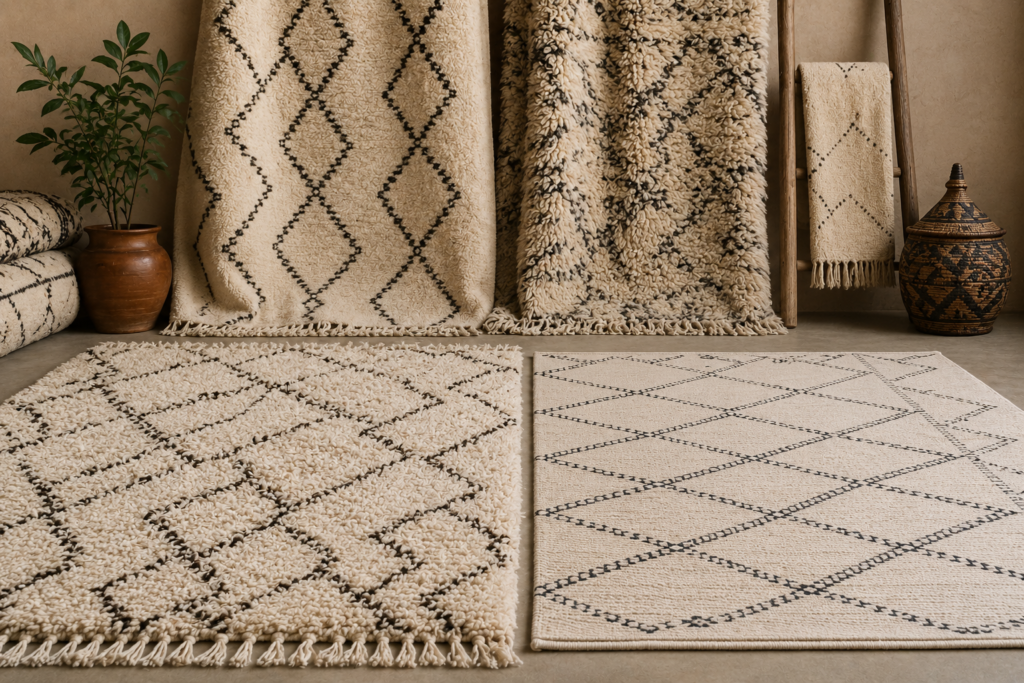
Genuine pieces are defined by their unique character and the use of high-quality, natural materials. When searching for authentic moroccan carpets, look for subtle variations in color and pattern. These small shifts occur because the wool is often hand-dyed in small batches, leading to natural color gradients known as abrash.
Checking the Backing and Knot Consistency
The underside of a rug provides the most honest evidence of its construction. On a machine-made carpet, the backing is usually stiff, glued, or covered with a synthetic mesh. In contrast, authentic moroccan carpets feature a soft, flexible back where you can clearly see the individual knots tied by hand.
Evaluating the Feel and Weight of the Wool
Weight is a reliable indicator of quality in the world of textiles. A hand-knotted rug made from high-quality sheep’s wool will feel substantial and dense when lifted. If the rug feels thin or flimsy, it likely lacks the knot density required for long-term durability. Always run your hand across the surface to feel the natural lanolin, which gives the wool its signature soft yet resilient texture.
The Longevity and Durability of Handmade Moroccan Rugs
The true value of a floor covering is often found in its ability to endure decades of constant use. Unlike mass-produced alternatives, handmade rugs are constructed with techniques passed down through generations to ensure maximum strength. These pieces are not merely decorative; they are functional investments designed to withstand the rigors of a busy home.
Resilience Against Daily Wear and Tear
High-traffic areas in a home require textiles that can handle constant foot traffic without losing their shape. Handmade moroccan rugs excel in these environments because of their dense knotting and high-quality wool construction. This structural integrity prevents the fibers from matting down or thinning out prematurely.
Owners often find that these rugs maintain their original form even after years of heavy use. Consider these key benefits of their resilient design:
- High knot density provides a firm foundation that resists crushing.
- Natural wool fibers possess a spring-like quality that allows them to bounce back after pressure.
- Hand-tied knots are less likely to unravel compared to machine-stitched seams.
How Natural Fibers Age Gracefully Over Time
One of the most remarkable traits of handmade moroccan rugs is how they evolve as they age. Rather than wearing out, the natural wool fibers often develop a beautiful, rich patina that enhances their visual depth. This transformation is a hallmark of authentic, high-quality craftsmanship.
“A well-made rug does not just sit on the floor; it tells a story of time, light, and life, becoming more beautiful with every passing year.”
The biological properties of natural wool allow it to remain supple and vibrant over time. Because the fibers are not treated with harsh chemicals, they retain their natural oils, which protect the rug from becoming brittle. This natural aging process ensures that handmade rugs remain a centerpiece of the home for decades, gaining character rather than losing their appeal.
Factors Influencing the Value of Vintage Moroccan Rugs
Many collectors view authentic Moroccan carpets as tangible pieces of history rather than simple floor coverings. These textiles often serve as long-term investments that appreciate as their historical significance becomes more widely recognized. Understanding the specific criteria that drive market value is essential for anyone looking to build a serious collection.
The Impact of Age and Provenance
Age is a primary driver of value, but it is rarely the only factor. A piece that has been well-preserved over several decades often commands a higher price due to the scarcity of surviving examples. Provenance, or the documented history of a rug, adds a layer of security and prestige that appeals to high-end buyers.
When a rug comes with a clear history of its origin or previous ownership, its market position strengthens significantly. Collectors prioritize items that can be traced back to specific regions or influential weaving families. This transparency transforms a decorative item into a verified vintage Moroccan rug with a documented narrative.
“The true value of a hand-woven textile lies not just in its wool, but in the stories woven into every knot by generations of artisans.”
Rarity and Tribal Design Significance
The rarity of a design often dictates the interest level among global textile enthusiasts. Certain tribal patterns are unique to specific mountain regions and were never mass-produced, making them highly sought after. These designs often feature complex symbolism that reflects the cultural identity of the tribe.
When evaluating authentic Moroccan carpets, experts look for unconventional color palettes or rare geometric motifs. A vintage Moroccan rug that displays an unusual combination of traditional symbols is often considered a masterpiece of folk art. The following table outlines the primary factors that influence the appraisal of these unique pieces.
| Factor | High Value Indicator | Standard Value Indicator |
| Age | Over 50 years old | Under 20 years old |
| Design | Rare tribal motifs | Common geometric patterns |
| Condition | Excellent original state | Significant restoration |
| Provenance | Documented history | Unknown origin |
Maintenance Tips for Preserving Your Investment
Owning a piece of history requires a dedicated approach to long-term care. When you invest in vintage moroccan rugs, you are acquiring a textile that has already stood the test of time. Proper attention ensures these treasures remain vibrant and structurally sound for future generations to enjoy.
Proper Cleaning Techniques for Wool Rugs
Natural wool is remarkably resilient, but it requires gentle handling to maintain its luster. Avoid harsh chemical cleaners that can strip the natural lanolin from the fibers. Instead, focus on regular, light maintenance to keep your vintage moroccan rugs in top condition.
- Rotate regularly: Turn your rug 180 degrees every few months to ensure even wear patterns.
- Gentle vacuuming: Use a suction-only vacuum attachment to remove dust without damaging the delicate knots.
- Spot cleaning: Blot spills immediately with a clean, white cloth and cool water; never rub the fibers.
- Professional care: Seek out a specialist familiar with hand-knotted textiles for deep cleaning every few years.
Preventing Damage from Sunlight and Moisture
Environmental factors are the primary enemies of high-quality wool. Excessive sunlight can cause natural dyes to fade, while trapped moisture often leads to mold or fiber degradation. You must place your vintage moroccan rugs in areas where they are protected from these harsh elements.
If you notice signs of dampness, lift the rug immediately to allow the floor and the backing to dry completely. Proper airflow is essential for the health of natural fibers. Use the following guide to manage your home environment effectively:
| Hazard | Risk Level | Prevention Strategy |
| Direct Sunlight | High | Use UV-filtering window films or curtains. |
| Excess Humidity | Medium | Maintain consistent indoor climate control. |
| Spills/Liquids | High | Keep rugs away from high-traffic kitchen zones. |
By following these simple steps, you protect the artistry and value of your collection. Consistent care is the best way to ensure your investment remains a centerpiece of your home for decades to come.
Final Thoughts
Selecting authentic Moroccan Rugs transforms a living space into a gallery of cultural history. These pieces represent a commitment to quality that transcends fleeting interior design trends.
Homeowners gain more than a floor covering when they choose genuine, hand-knotted items. They acquire a durable legacy crafted by skilled artisans who honor centuries of tradition. Every knot tells a story of patience and precision.
The natural wool fibers provide unmatched resilience against daily foot traffic. Proper care ensures these Moroccan Rugs remain vibrant and structurally sound for generations. This longevity makes them a wise financial and aesthetic choice for any residence.
Appreciating the subtle variations in weave and color allows buyers to connect with the human element behind the product. Authentic Moroccan Rugs stand apart from mass-produced alternatives through their unique character and soul. Seek out reputable sources to ensure the piece reflects true tribal craftsmanship.
Bring a sense of warmth and heritage into your home today. Explore the diverse patterns and textures available to find a rug that speaks to your personal style. Your choice supports the preservation of ancient weaving techniques while elevating your interior decor to a new level of sophistication.
FAQ
Are Moroccan rugs considered a high-quality choice for modern interior design?
Yes, Moroccan rugs are globally recognized as staples of high-quality interior design. Homeowners and collectors value these pieces for their unique blend of aesthetic beauty and functional durability. Their enduring appeal stems from the meticulous craftsmanship that defines these iconic textiles, making them both a decorative statement and a long-term investment.
What makes the tribal origins of traditional Moroccan rugs so significant?
Traditional Moroccan rugs are more than just floor coverings; they are cultural artifacts that serve as a historical record of various Berber tribes. Through the use of handmade Moroccan rugs, artisans pass down generational knowledge, weaving symbolic patterns that tell unique stories. This deep-rooted heritage ensures that every rug maintains the integrity of ancient weaving traditions.
How does the use of natural wool affect the quality of handmade rugs?
The use of high-grade natural wool is central to the superior quality of handmade rugs. Natural fibers provide a level of resilience and texture that synthetic materials cannot replicate. When paired with plant-based dyes rather than synthetic alternatives, the wool maintains its structural integrity and develops a beautiful character over time while remaining environmentally friendly.
Why is the “artistry of imperfection” important when evaluating authentic Moroccan carpets?
In the world of authentic Moroccan carpets, slight asymmetries and variations in the weave are not defects but signs of the human touch. This “artistry of imperfection” distinguishes genuine handmade rugs from machine-made mass production. Despite these variations, the high weaving density ensures exceptional structural integrity and long-term value.
How can a buyer distinguish between authentic Moroccan carpets and machine-made imitations?
To identify authentic Moroccan carpets, one should examine the backing and knot consistency. Genuine pieces will show slight irregularities in the knots, whereas machine-made versions are perfectly uniform. Furthermore, evaluating the weight and tactile quality of the wool can help buyers spot a replica; natural wool has a distinct feel and heft compared to synthetic fibers.
Do handmade Moroccan rugs hold up well in high-traffic areas of a home?
Absolutely. Handmade Moroccan rugs are designed to withstand decades of daily wear and tear. The biological properties of natural wool allow the fibers to resist crushing and spring back into shape. Rather than wearing out, these textiles age gracefully, often developing a richer patina that enhances their visual appeal as they mature.
What specific factors determine the market value of vintage Moroccan rugs?
The value of vintage Moroccan rugs is influenced by age, provenance, and the rarity of the tribal design. Pieces that feature unique historical symbols or originate from specific renowned weaving regions are considered highly valuable assets. As these rugs become harder to find, their status as investment-grade textiles continues to grow in the global market.
What are the best maintenance tips for preserving the life of vintage Moroccan rugs?
Preserving vintage Moroccan rugs requires proper cleaning techniques that protect the natural wool fibers from damage or color bleeding. It is essential to avoid harsh chemicals and to protect the rug from environmental hazards such as prolonged sunlight exposure and moisture. Regular, gentle maintenance ensures these valuable investments remain in pristine condition for future generations.