When shopping for an authentic Moroccan berber rug, many people are surprised by the price and often wonder what makes these rugs so valuable. One of the biggest factors is the time and craftsmanship involved in creating each piece.
So, how long does it take to make a Moroccan rug?
The answer depends on several factors, including the rug’s size, design complexity, weaving technique, and the experience of the artisan. In general, a handmade Moroccan rug can take anywhere from a few weeks to several months to complete.
Every rug is woven by hand using traditional techniques that have been passed down through generations. Unlike machine-made rugs that can be produced quickly in factories, authentic Moroccan rugs require patience, skill, and hundreds of hours of meticulous work.
In this article, we’ll explore the rug-making process, the factors that influence production time, and why handmade Moroccan rugs are worth the wait.
Why Handmade Moroccan Berber Rugs Take So Long to Make
The creation of a Moroccan rug is not a simple manufacturing process. Each rug is handcrafted from start to finish, often by skilled artisans who have spent years mastering traditional weaving techniques.
From preparing the wool to tying thousands of individual knots, every step requires careful attention to detail.
The time involved is one of the main reasons authentic handmade Moroccan rugs are considered works of art rather than ordinary home accessories.
The Typical Timeline for Making a Moroccan Rug
Although production times vary, here is a general estimate:
| Rug Size | Estimated Production Time |
|---|---|
| Small Rug (2×3 ft to 4×6 ft) | 2–4 Weeks |
| Medium Rug (5×8 ft to 6×9 ft) | 1–3 Months |
| Large Rug (8×10 ft and Larger) | 3–6 Months or More |
| Custom or Highly Detailed Rugs | Several Months |
The larger and more intricate the rug, the longer it takes to complete.
Step 1: Preparing the Wool
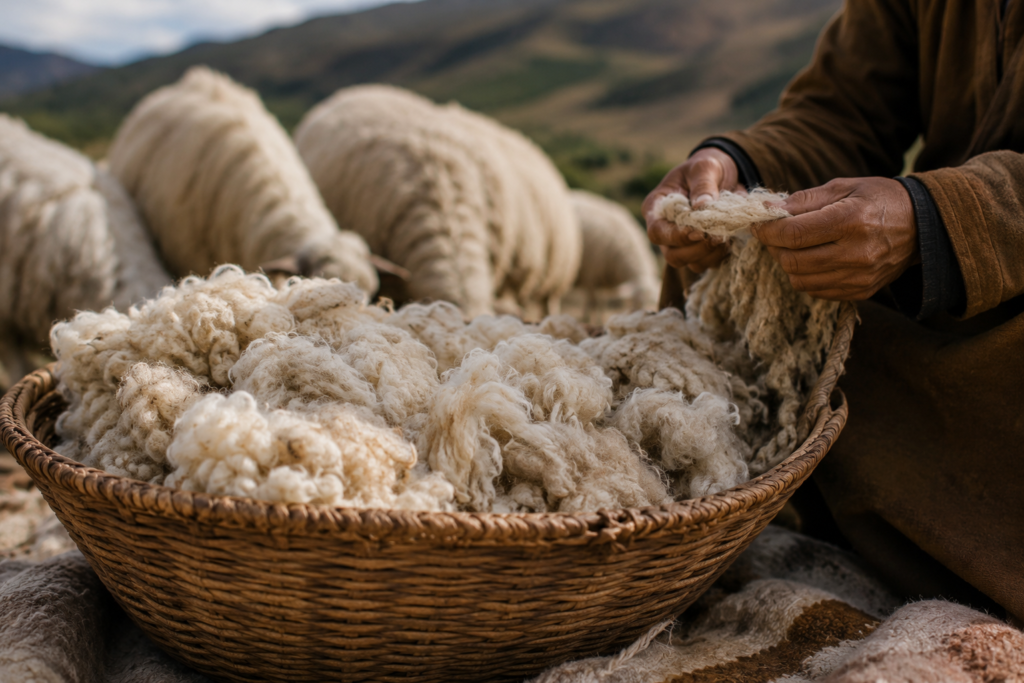
Before weaving can begin, artisans must prepare the wool.
Authentic Moroccan rugs are often made using wool sourced from sheep raised in Morocco’s Atlas Mountains. The wool is cleaned, sorted, and prepared for spinning.
This process alone can take several days depending on the amount of wool needed for the project.
High-quality wool is essential because it contributes to the rug’s durability, softness, and overall appearance.
Step 2: Spinning and Dyeing the Wool
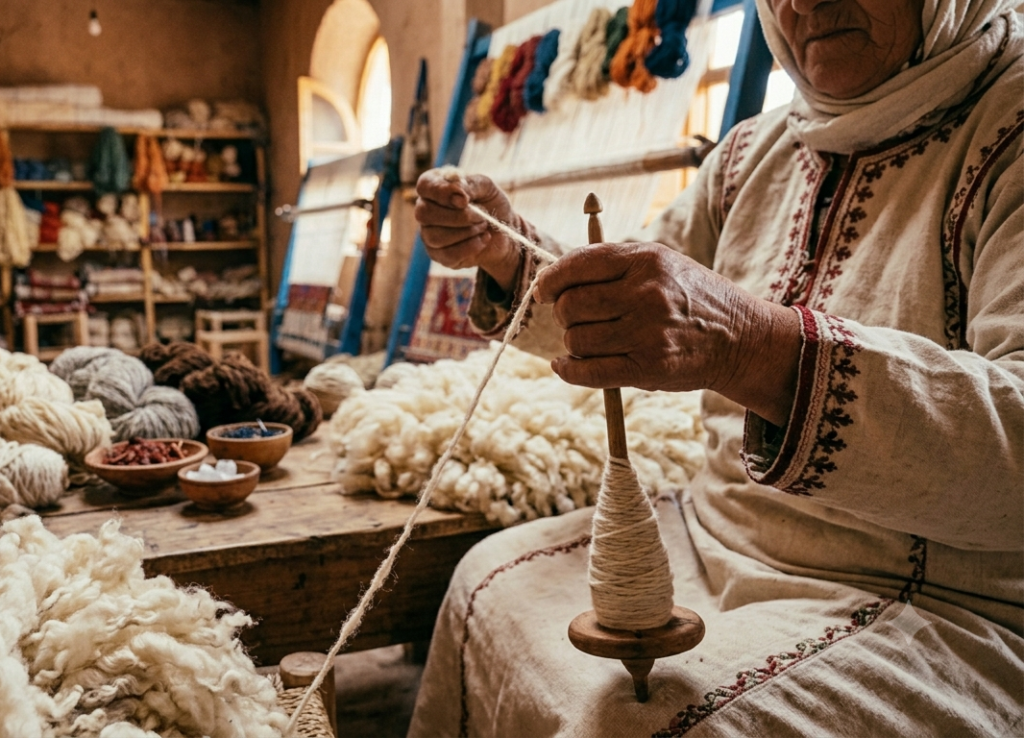
After the wool has been cleaned, it is spun into yarn.
In traditional rug-making communities, artisans may spin the wool by hand, creating fibers that are both strong and unique in texture.
If the rug includes colors beyond the natural shades of wool, the yarn is then dyed.
Many traditional Moroccan rugs use natural dyes derived from:
- Plants
- Flowers
- Roots
- Minerals
- Herbs
The dyeing process adds additional time but helps create the rich and distinctive colors found in many Moroccan rug styles.
Step 3: Setting Up the Loom
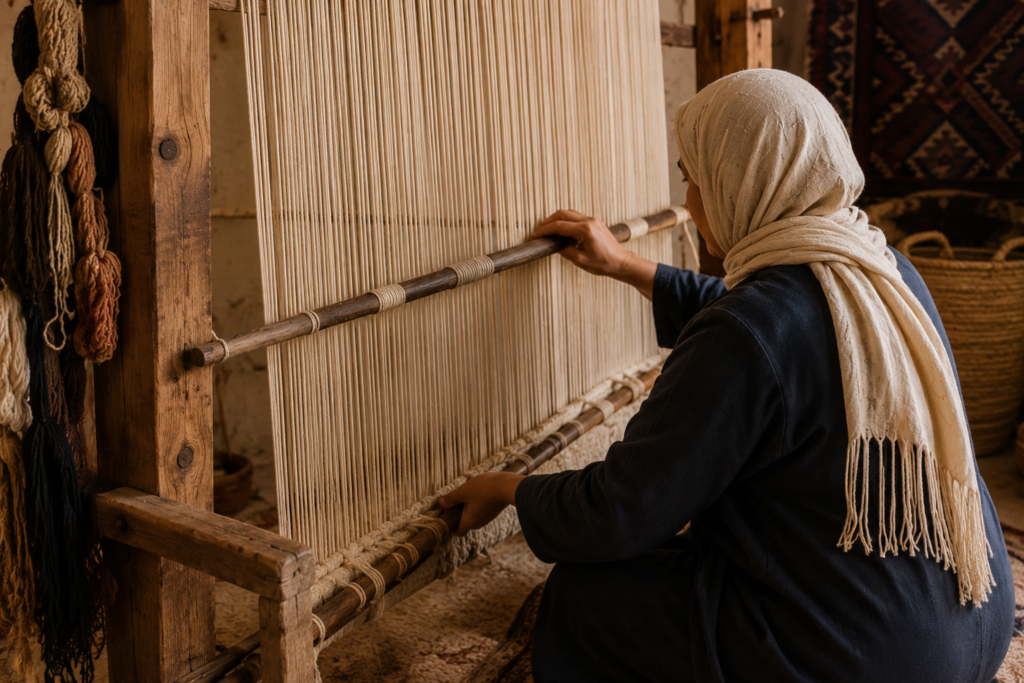
Before weaving begins, the artisan prepares the loom.
The loom serves as the framework that supports the rug during construction. Setting it up correctly is crucial because it determines the rug’s size, shape, and structural integrity.
Although this stage is often overlooked, it requires precision and preparation.
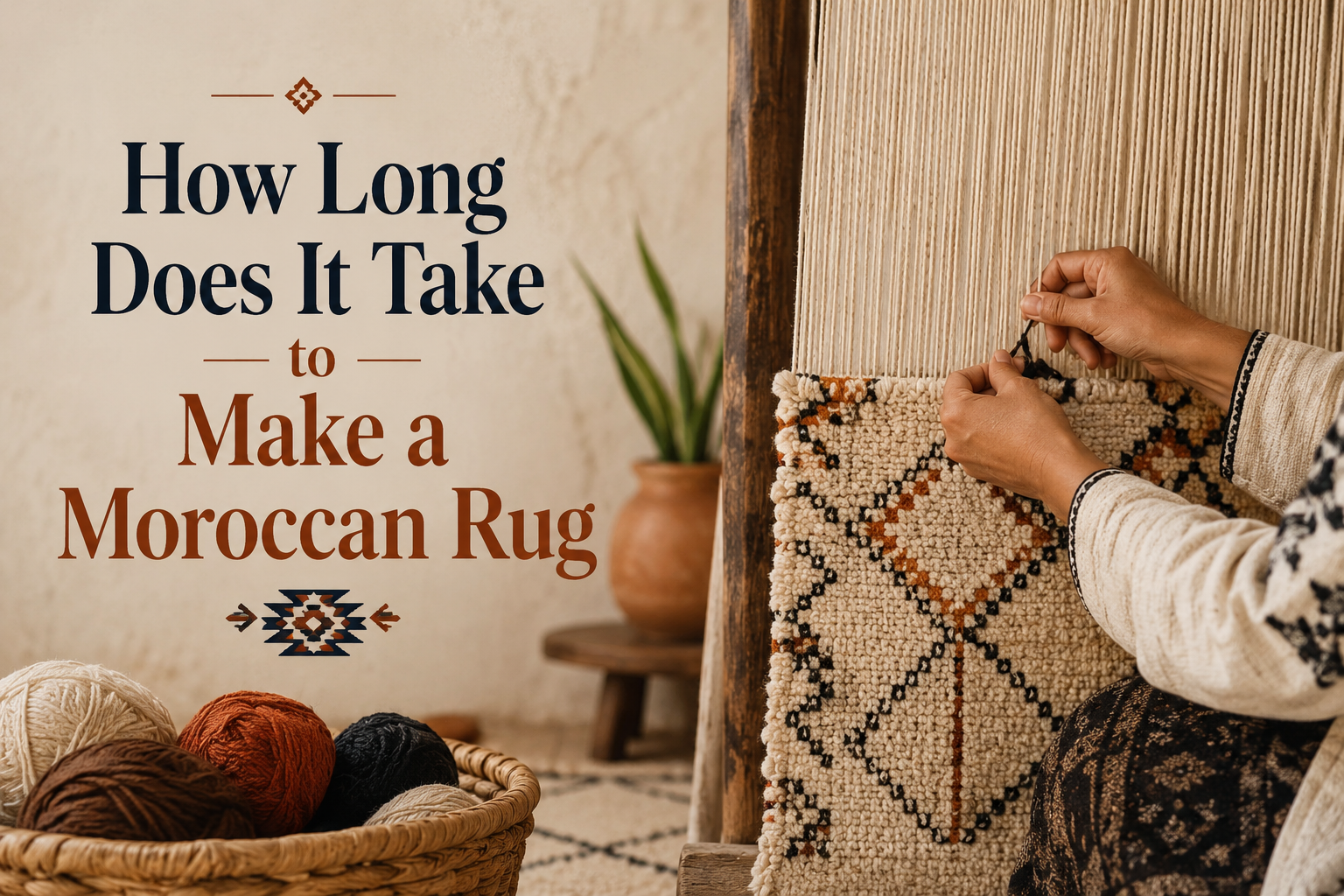
Step 4: Hand-Weaving the Rug
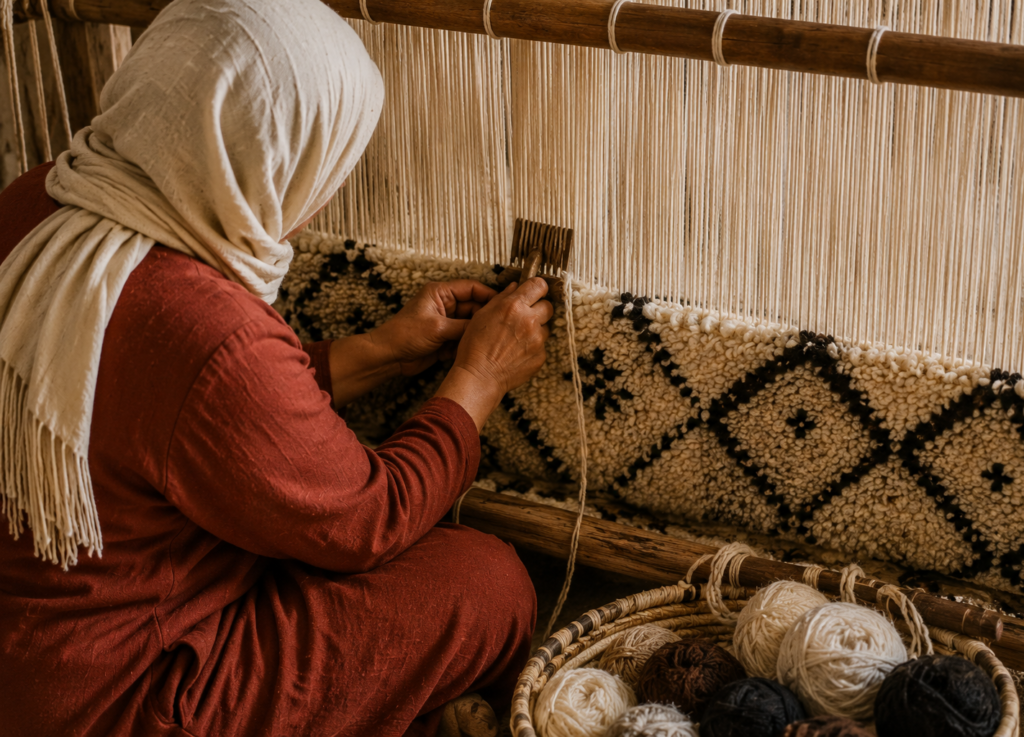
This is the most time-consuming part of the process.
Each section of the rug is woven by hand using traditional techniques. Depending on the style, artisans may:
- Tie individual knots
- Create thick wool piles
- Weave flatwoven patterns
- Incorporate intricate tribal symbols and motifs
For larger rugs, artisans may spend hundreds of hours weaving.
Many Moroccan rugs contain thousands of knots, each tied individually to create the desired texture and design.
This painstaking process is what makes handmade Moroccan rugs so unique and valuable.
What Factors Affect How Long a Moroccan Rug Takes to Make?
Several factors influence production time.
1. Rug Size
Larger rugs naturally require more materials and labor.
A small entryway rug may be completed in a few weeks, while a large living room rug could take several months.
2. Design Complexity
Simple geometric patterns are generally faster to weave than highly detailed designs.
Intricate tribal motifs, custom patterns, and colorful compositions require more time and precision.
3. Weaving Technique
Different Moroccan rug styles use different weaving methods.
For example:
- Thick-pile rugs often require extensive knotting.
- Flatwoven rugs may be completed more quickly.
- Custom designs typically take longer than traditional patterns.
4. Number of Artisans Working
Some rugs are woven by a single artisan, while others involve multiple weavers working together.
Larger workshops may complete projects faster than individual artisans working independently.
5. Custom Orders
Custom Moroccan rugs usually take longer because they are created according to specific dimensions, colors, and design preferences.
The additional planning and attention to detail extend the production timeline.
Why the Time Investment Matters
The amount of time spent creating a handmade Moroccan rug directly contributes to its value.
Unlike factory-made rugs, which prioritize speed and mass production, handmade Moroccan rugs prioritize quality and craftsmanship.
Each rug reflects:
- Hours of skilled labor
- Traditional weaving techniques
- Cultural heritage
- Artistic expression
- Attention to detail
The result is a unique piece that often lasts for decades.
Are Handmade Moroccan Rugs Worth Waiting For?
For many buyers, the answer is yes.
While handmade Moroccan rugs require patience, the final product offers benefits that machine-made alternatives cannot match.
These include:
Exceptional Quality
Handwoven construction creates stronger, more durable rugs.
Unique Character
No two handmade Moroccan rugs are exactly alike.
Timeless Style
Moroccan rugs remain popular across a wide range of interior design styles.
Long-Term Value
A well-made Moroccan rug can become a cherished part of your home for years—or even generations.
The time invested in creating each rug is reflected in its beauty, durability, and authenticity.
The Human Touch Behind Every Rug
One of the most remarkable aspects of Moroccan rug-making is the human connection.
Every rug is the result of an artisan’s creativity, skill, and dedication. Many designs are woven without written patterns, relying instead on techniques and traditions passed down through families.
This personal touch gives each rug a story and character that cannot be replicated by machines.
When you purchase a handmade Moroccan berber rug, you’re bringing home a piece of that tradition.
Final Thoughts
So, how long does it take to make a Moroccan berber rug?
Depending on its size and complexity, a handmade Moroccan berber rug can take anywhere from a few weeks to several months to complete. From preparing the wool to weaving thousands of knots by hand, every stage requires patience, expertise, and craftsmanship.
While the process is time-intensive, the result is a one-of-a-kind rug that combines beauty, durability, and cultural heritage.
If you’re considering investing in an authentic Moroccan berber rug, understanding the time and skill involved can help you appreciate the true value behind every handwoven piece.
Frequently Asked Questions
How many hours does it take to make a Moroccan rug?
A handmade Moroccan berber rug can require anywhere from 100 to several hundred hours of labor, depending on its size and complexity.
Why do Moroccan rugs take so long to make?
They are handcrafted using traditional weaving techniques, premium materials, and meticulous attention to detail.
Can a Moroccan rug be made in a few days?
Authentic handmade Moroccan berber rugs typically take weeks or months to complete. Rugs made in just a few days are usually machine-produced.
Do larger Moroccan rugs take longer to make?
Yes. Larger rugs require more materials, more weaving, and significantly more labor.
Are handmade Moroccan berber rugs worth the wait?
Absolutely. Their durability, craftsmanship, uniqueness, and cultural significance make them a valuable long-term investment for many homeowners.