
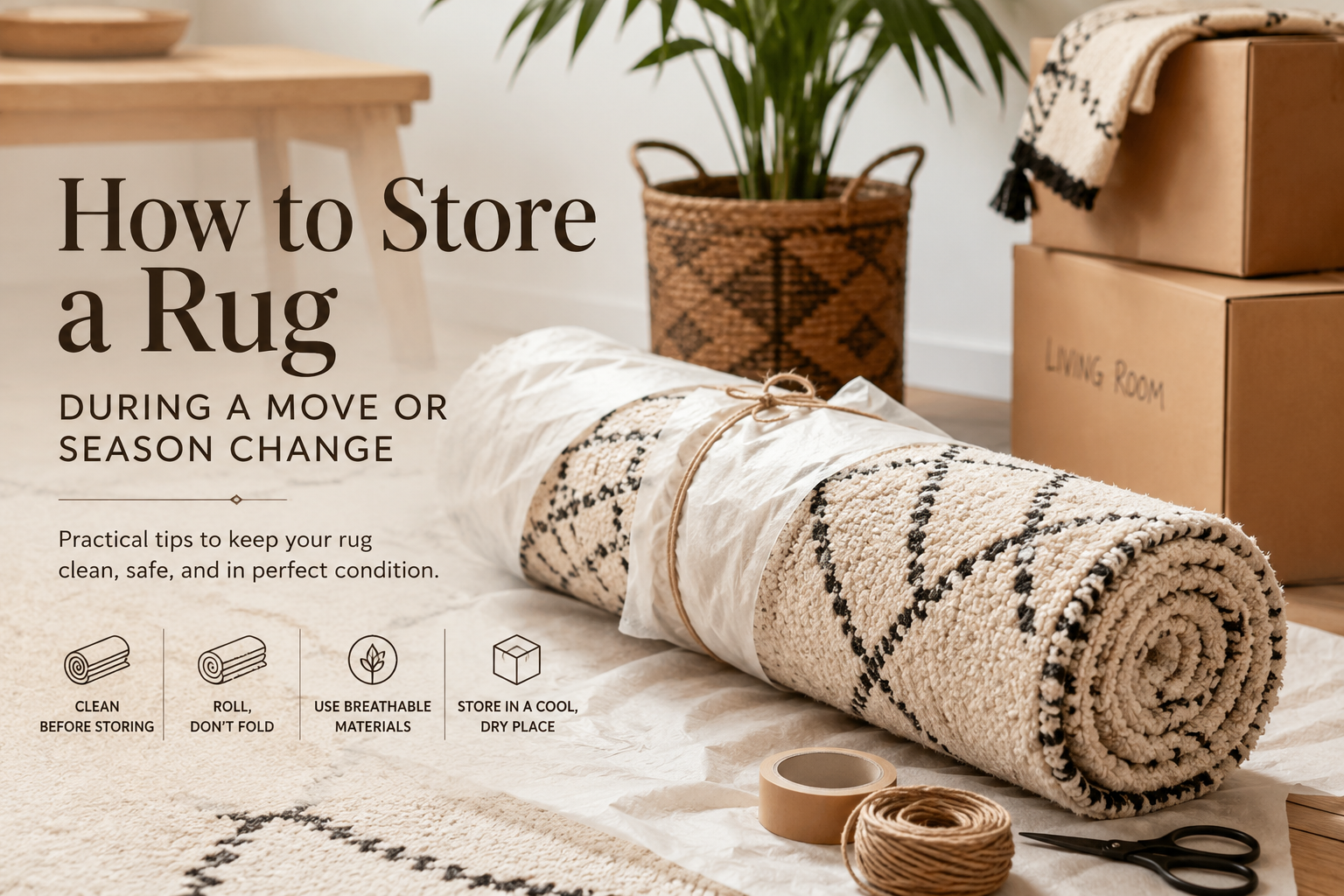
Whether you’re moving to a new home, redecorating, or rotating your rugs with the seasons, proper storage is essential to keep your rug looking beautiful for years to come. Storing a rug incorrectly can lead to permanent creases, mold, mildew, insect damage, or fading—especially if it’s a valuable handmade Moroccan rug.
The good news is that storing a rug the right way is simple. With a little preparation and the proper storage techniques, you can protect your investment and ensure your rug is ready to enjoy whenever you need it again.
In this guide, we’ll explain exactly how to store a rug during a move or seasonal change, along with common mistakes to avoid.
Why Proper Rug Storage Matters
A quality rug is more than just a decorative accessory—it’s an investment. Authentic handmade Moroccan rugs are crafted from premium natural wool and can last for generations when properly cared for.
Improper storage can cause problems such as:
- Permanent folds and creases
- Mold and mildew
- Moth damage
- Color fading
- Fiber deterioration
- Unpleasant odors
Taking a few extra steps before storing your rug can significantly extend its lifespan.
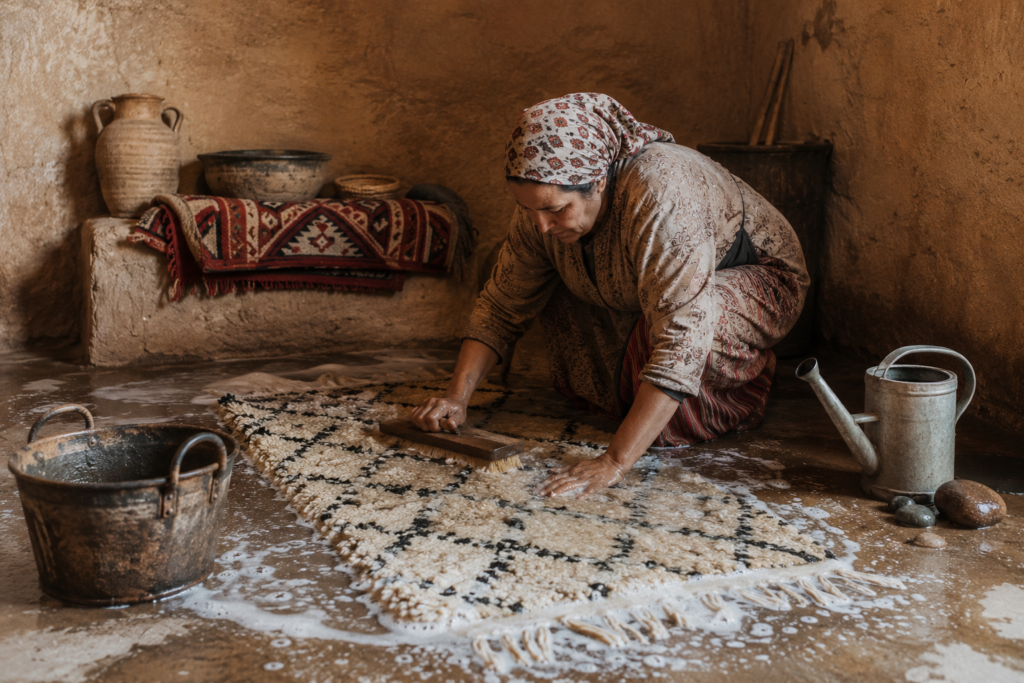
Step 1: Clean the Rug Thoroughly
Never store a dirty rug.
Dust, dirt, food crumbs, and pet hair can attract insects and cause fibers to deteriorate over time.
Before storage:
- Vacuum both sides of the rug gently.
- Remove loose dirt and debris.
- Spot-clean any stains.
- If needed, have the rug professionally cleaned before long-term storage.
A clean rug is far less likely to develop odors or pest problems.
Step 2: Make Sure the Rug Is Completely Dry
Moisture is one of the biggest threats to stored rugs.
Even a slightly damp rug can develop:
- Mold
- Mildew
- Musty odors
If you’ve recently cleaned your rug, allow it to dry completely before rolling it for storage.
Natural airflow is the best way to ensure it’s fully dry.
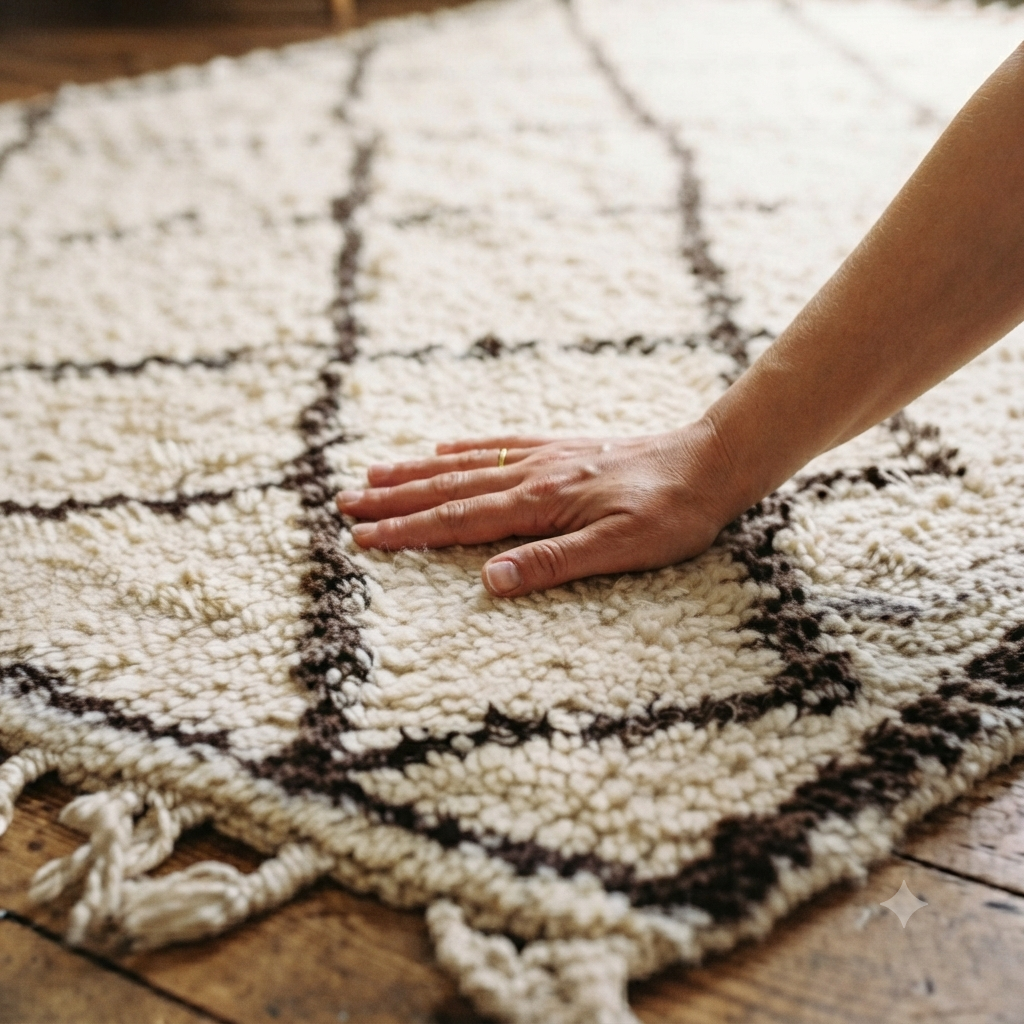
Step 3: Roll—Don’t Fold
One of the most common mistakes people make is folding a rug.
Folding creates hard creases that can become difficult to remove and may weaken the fibers over time.
Instead:
- Lay the rug flat.
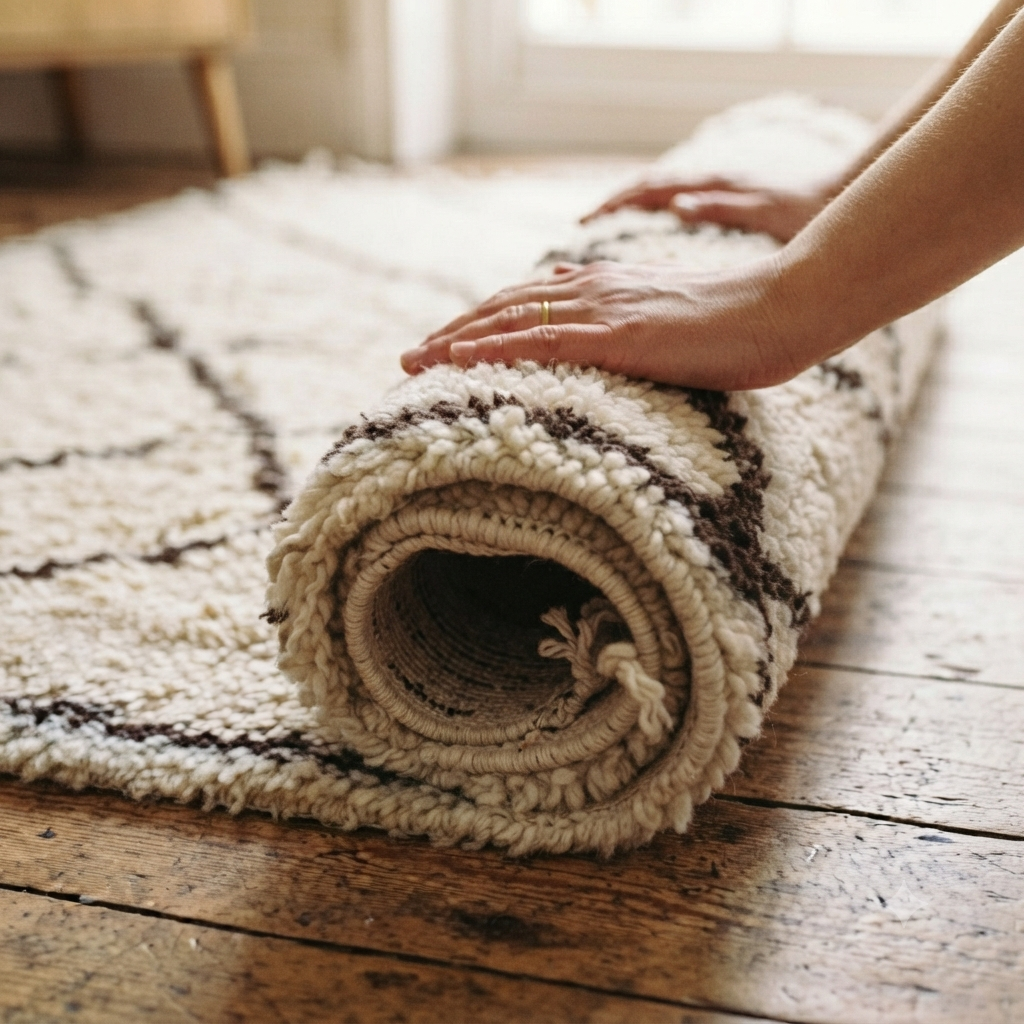
- Roll it tightly from one end to the other.
- Keep the pile facing inward whenever possible to protect the fibers.
Rolling helps maintain the rug’s shape and prevents permanent damage.
Step 4: Wrap the Rug Properly
Once rolled, protect your rug from dust and moisture by wrapping it.
Good storage materials include:
- Breathable cotton sheets
- Muslin fabric
- Canvas rug bags
Avoid wrapping rugs in airtight plastic for long-term storage, as trapped moisture can encourage mold and mildew growth.
Breathable materials allow air to circulate while protecting the rug from dust.
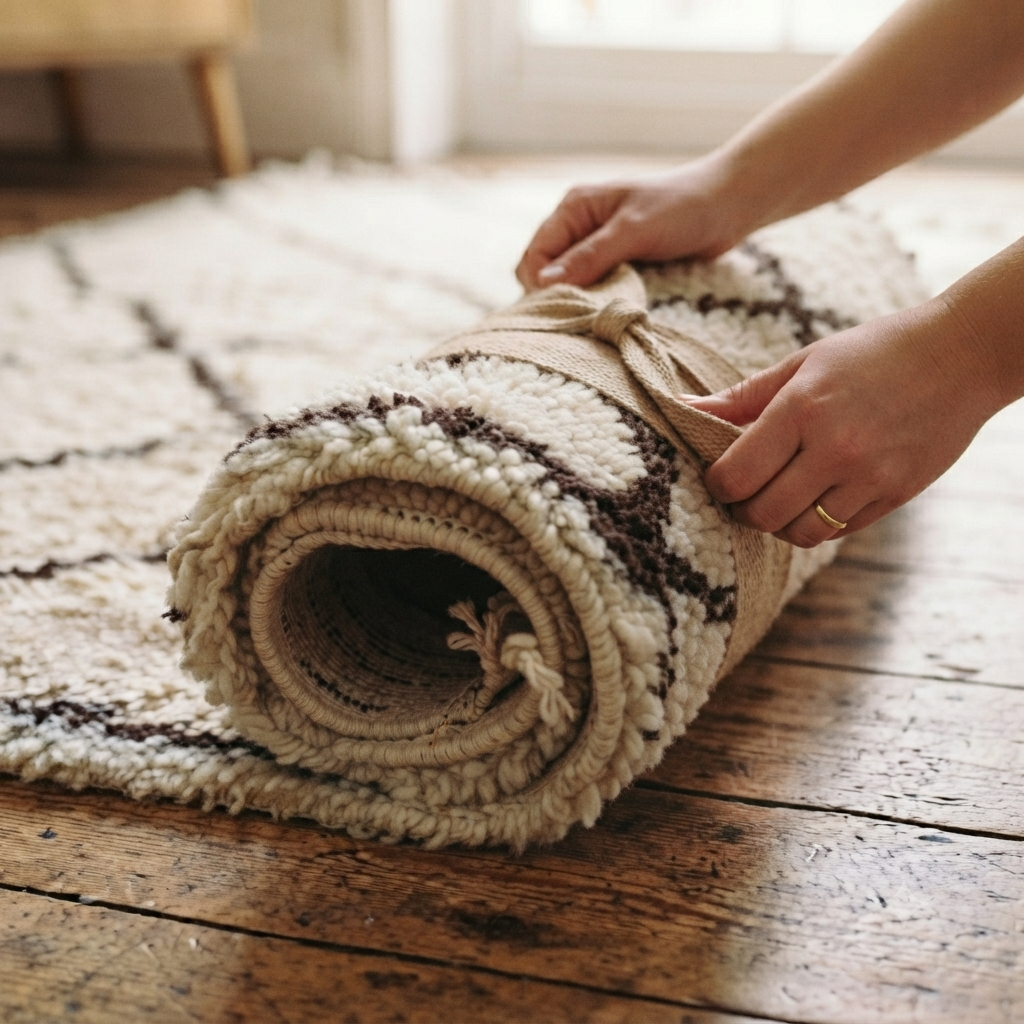
Step 5: Tie the Rug Securely
Use soft cotton ties or fabric straps to keep the rug rolled.
Avoid:
- Tight plastic zip ties
- Wire
- Rope that can leave pressure marks
Secure the rug gently without compressing the fibers.
Step 6: Store It in a Climate-Controlled Space
Where you store your rug is just as important as how you store it.
The ideal storage area should be:
- Cool
- Dry
- Well ventilated
- Away from direct sunlight
Good storage locations include:
- Interior closets
- Climate-controlled storage units
- Spare bedrooms
Avoid damp areas such as:
- Basements
- Garages
- Outdoor sheds
- Attics with extreme temperatures
Stable temperatures help preserve natural wool fibers.
Step 7: Keep the Rug Elevated
Never place your rug directly on a concrete floor.
Concrete can absorb and release moisture, increasing the risk of mold.
Instead, place the rolled rug on:
- Wooden pallets
- Shelving
- Raised platforms
Keeping the rug elevated improves air circulation and protects it from accidental water damage.
How to Store a Handmade Moroccan Rug
Authentic handmade Moroccan rugs deserve extra care because they’re crafted from natural wool using traditional weaving techniques.
When storing a Moroccan rug:
- Clean it thoroughly.
- Roll it with the pile inward.
- Wrap it in breathable fabric.
- Store it in a dry, climate-controlled location.
- Check it periodically for signs of moisture or pests.
These simple steps help preserve the rug’s beauty and extend its lifespan.
Should You Use Moth Protection?
Natural wool can attract moths if stored for long periods.
Instead of harsh chemicals, consider natural deterrents such as:
- Cedar blocks
- Cedar balls
- Lavender sachets
Place them near the rug—not directly on it—to help discourage insects while avoiding damage to the fibers.
How Long Can a Rug Stay in Storage?
A properly stored rug can remain in storage for months or even years.
However, it’s a good idea to inspect it every few months.
Check for:
- Moisture
- Pest activity
- Odors
- Wrapping condition
Periodic inspections allow you to address small issues before they become larger problems.
Common Rug Storage Mistakes to Avoid
Folding the Rug
Always roll your rug instead of folding it.
Storing It While Damp
Even slight moisture can lead to mold and mildew.
Using Plastic for Long-Term Storage
Plastic traps humidity and restricts airflow.
Choose breathable materials instead.
Leaving It in Direct Sunlight
Prolonged exposure to sunlight can fade natural dyes and weaken fibers.
Ignoring Pests
Natural wool should be checked periodically for signs of moth activity during long-term storage.
Moving with a Rug? Follow These Tips
If you’re relocating:
- Vacuum the rug before packing.
- Roll it tightly.
- Wrap it securely.
- Transport it horizontally when possible.
- Unroll it soon after arriving at your new home.
Avoid leaving rugs inside hot moving trucks for extended periods during warm weather.
How to Unroll a Rug After Storage
Once you’re ready to use your rug again:
- Carefully remove the wrapping.
- Lay the rug flat.
- Allow it to relax naturally for a day or two.
- Vacuum gently to restore the pile.
Minor curling at the edges usually disappears after the rug settles.
Why Handmade Moroccan Rugs Are Worth Protecting
Authentic Moroccan rugs are designed to last for generations.
Their premium wool, traditional craftsmanship, and timeless beauty make them valuable additions to any home.
Taking proper care during storage helps preserve:
- Soft texture
- Rich colors
- Structural integrity
- Handwoven craftsmanship
A little attention now can help your rug remain beautiful for decades.
Final Thoughts
Knowing how to store a rug during a move or seasonal change is one of the easiest ways to protect your investment.
Always clean and dry your rug before storage, roll it instead of folding it, wrap it in breathable fabric, and keep it in a cool, dry, climate-controlled space. If you’re storing a handmade Moroccan rug, these steps are especially important for preserving its natural wool fibers and handcrafted beauty.
With proper storage and regular care, your rug will be ready to bring warmth, comfort, and style back into your home whenever you need it.
Frequently Asked Questions
Should you roll or fold a rug for storage?
Always roll your rug rather than fold it. Rolling helps prevent permanent creases and protects the rug’s fibers.
Can you store a rug in plastic?
Plastic can trap moisture during long-term storage, increasing the risk of mold and mildew. Breathable fabric covers are a better option.
How do you store a handmade Moroccan rug?
Clean and dry the rug thoroughly, roll it with the pile facing inward, wrap it in breathable fabric, and store it in a cool, dry, climate-controlled location.
How often should I check a stored rug?
Inspect your rug every few months to check for moisture, pests, or changes in its condition.
Can Moroccan rugs be stored for long periods?
Yes. With proper cleaning, rolling, wrapping, and storage conditions, handmade Moroccan rugs can be safely stored for months or even years while maintaining their beauty and durability.